Mastering your peak performance journey
Parnon is a clear, evidence-aware editorial hub for men aged 35 and above who want to understand endurance, strength, recovery, and the physiology behind sustainable athletic practice.
Explore the reading room
“Performance after 35 is not a retreat from ambition. It is a more attentive conversation with time, training load, and recovery.”
Four lenses for better decisions
Our editorial desk connects training concepts with everyday constraints: work, family, climate, sleep, and the changing response of a mature body.
Sports physiology
Read how oxygen delivery, muscle recruitment, and energy systems influence sessions without reducing your body to a single score.
Read physiology notes →Functional fitness
Explore movement quality, joint capacity, and strength patterns that make training useful beyond the gym floor.
View training guides →Cardiovascular endurance
Understand pacing, aerobic volume, and the role of easy work in building a durable base.
Study endurance →
FROM THE FIELD
Build a training week that can live in the real world
The most useful plan is rarely the most elaborate one. Parnon examines how to distribute demanding work, low-intensity movement, mobility practice, and rest so a reader can make informed adjustments rather than chase a perfect schedule.
Our guides explain trade-offs in plain language and distinguish general education from personal medical advice.
See our methodology →Terms worth knowing before you dig deeper
A short reference for vocabulary that recurs across our training and physiology articles.
Aerobic base
The foundation of easy, sustainable effort that supports higher-intensity work later in a training cycle.
Perceived exertion
A subjective rating of how hard a session feels, often used alongside heart rate or pace data.
Periodisation
The practice of organising training into phases with different emphases, such as base building or tapering.
Recovery window
The period after a session when sleep, food, and lighter movement support adaptation.
Recent reading
Short editorial previews for readers building a thoughtful practice.

6 OCTOBER 2026
What steady breathing can teach about pacing
Why perceived effort remains a useful companion to wearable data.
Open article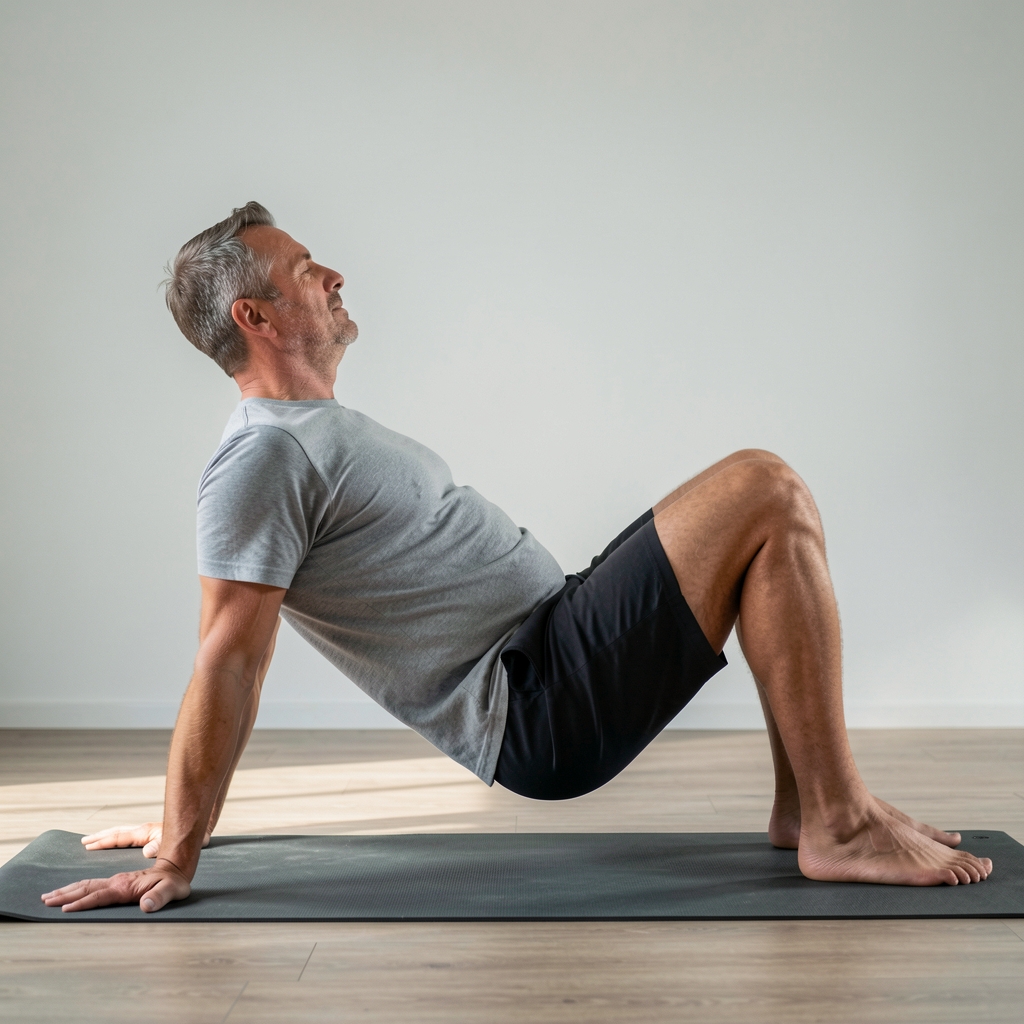
29 SEPTEMBER 2026
Mobility as preparation, not punishment
A practical look at range, control, and consistency.
Open article
14 SEPTEMBER 2026
The quiet architecture of recovery
Sleep, food, and low-stress movement form the background of progress.
Open articleHow we turn a question into a guide
Notice
Describe your current week before changing it.
Measure
Use repeatable signals, not every available metric.
Adjust
Change one meaningful variable at a time.
Review
Look back after several weeks, not one session.
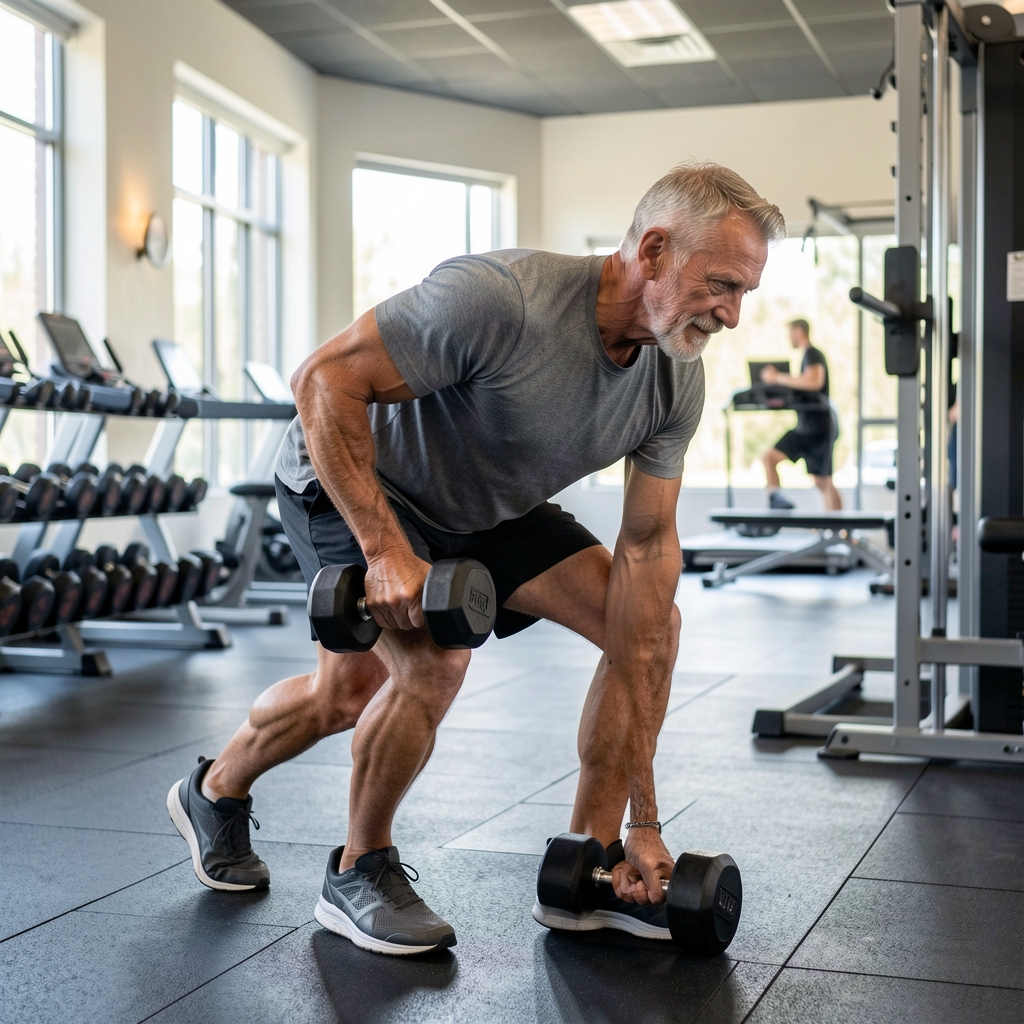
Where this training actually happens
A look at the everyday settings our articles describe, from quiet home routines to shared outdoor spaces across Jakarta.





The people behind the reading room
Parnon articles are reviewed by a small editorial team led by Chief Editor David Harrington, with contributing specialists in exercise physiology, strength coaching, and nutrition science, working under a shared editorial standard described on our methodology page.

Dr. Arief Wicaksono
Contributing physiologist. Focuses on energy systems, cardiovascular adaptation, and how to read common fitness metrics with appropriate caution.

Michael Tanner
Contributing strength and mobility coach. Covers functional movement, joint-friendly strength work, and programming for returning or time-limited athletes.

Sarah Lindqvist
Contributing nutrition and recovery writer. Covers sleep, everyday eating patterns, and the slower-moving habits that support consistent training.
“A mature training practice values repeatability as much as intensity.”— Parnon editorial desk
“The calendar is part of the physiology.”— Field notes, 2026
“Good information leaves room for judgment.”— Reading room principle
Before you start reading
Is Parnon a coaching or medical service?
No. Parnon publishes general educational content. Readers with specific health conditions or training goals should consult a qualified clinician or coach.
Do I need previous athletic experience?
Not at all. Many readers are returning to structured movement after years away, and our guides are written with that starting point in mind.
How often is the content reviewed?
Articles are revisited periodically by our editorial desk to keep language and examples current, including this 2026 edition.
Start with one useful question
What would make your next month of movement more consistent, measurable, and enjoyable? Browse the guides, keep notes, and involve a qualified professional where individual health context matters.
Contact the editorial team